

Think about your routine today. You likely used a credit card, logged into your email, scrolled through social media, or used your phone’s GPS to navigate. Every single one of these actions left a tiny digital footprint.
In 2026, those footprints have combined to create a highly accurate, invisible digital double of yourself. That double—containing your medical records, financial history, social security number, and private conversations—is the single most valuable target for cybercriminals.
If a hacker steals this digital identity, they do not just take your money; they take your reputation. They can take out loans in your name, empty your retirement accounts, commit crimes using your identity, and even file fraudulent tax returns.
Living without identity theft protection in 2026 is like leaving the front door to your house wide open with a sign that says “Free Stuff.” The convenience of the modern world has created unprecedented vulnerability.
However, you do not need to move to a cave and disconnect from the internet to stay safe. You just need to be smarter than the hackers. In this comprehensive guide, we will pull back the curtain on how identity theft actually happens today, expose the critical warning signs you must look for, and provide you with a foolproof roadmap to lock down your digital identity for good.
How Identity Theft Happens Today: The Threat Landscape
The image of a criminal physically stealing your wallet to get your credit cards is a thing of the past. In 2026, identity theft is highly automated, scalable, and often occurs without the victim ever losing a physical item.
1. Large-Scale Corporate Data Breaches
You receive an email from a major hotel chain, airline, or credit agency stating that their servers were compromised. These breaches expose the data of millions of users simultaneously. Hackers dump this information (known as “fullz”) onto dark web forums where it is bought in bulk by identity thieves.
2. The Rise of “Synthetic” Identity Theft
This is the fastest-growing form of fraud in 2026. Criminals do not just steal a complete identity; they create a new, artificial one. They will combine a real, stolen social security number (often from a child or elderly person) with a fake name and date of birth to create a brand new credit file. They then cultivate this “synthetic” person for years before taking out massive loans and disappearing. To learn how to protect the most vulnerable members of your family, read our guide on Social Media Dangers for Kids.
3. Deepfakes and Voice Cloning
Hackers use advanced Artificial Intelligence (AI) to clone your voice from a brief clip posted on social media or create a deepfake video of your face. They then use this to bypass biometric security on banking apps or trick your family members into wiring money during a staged “emergency.”
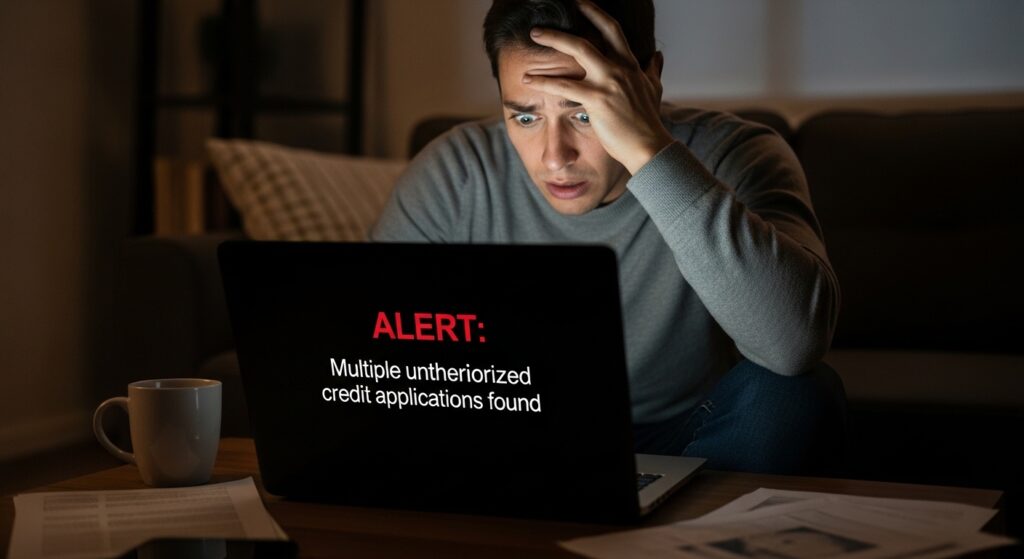
Detection: 5 Critical Warning Signs of Identity Theft
The sooner you detect identity theft, the less damage the criminal can do. You must actively look for these red flags:
- Mystery Charges on Statements: Never ignore a $1 or $2 charge you do not recognize. Thieves often do “test charges” on a stolen card before making a massive purchase.
- Unexpected Denial of Credit: You have a great credit score, but you are suddenly denied for a basic credit card or car loan. This is a massive red flag that someone has ruined your credit file without your knowledge.
- Missing or Strange Mail: If your physical bills suddenly stop arriving, a thief might have filed a “change of address” form to redirect your sensitive documents to their own location. Conversely, if you receive medical bills for procedures you never had, act immediately.
- Notifications About Logins: Receiving an SMS code or email notification about a “login from a new device” when you are not trying to log in means your password has been compromised.
- Unrecognized Phone Numbers: If you are receiving calls from debt collectors demanding payment on a loan you never took out, do not hang up. Get the details and realize your identity has likely been stolen. If you receive a mysterious SMS or WhatsApp message from an unfamiliar contact, you can use specialized tools like Scannero to look up the owner of the number and verify if it’s a legitimate entity or a known scammer.
Actionable Steps for Identity Theft Protection in 2026
Building an impenetrable defense around your digital identity requires a combination of good habits and powerful technology.
1. Freeze Your Credit File (The Strongest Defense)
The single most effective step for identity theft protection in 2026 is freezing your credit. Contact the major credit bureaus (Equifax, Experian, and TransUnion) and request a security freeze. It is free and takes minutes. This action blocks any new creditors (like a bank or credit card company) from accessing your credit file. Since they cannot see your history, they will not approve the new loan. When you actually want to apply for credit, you can “thaw” the freeze temporarily using a secure PIN.
2. Implement Military-Grade Endpoint Security
Hackers do not always steal data from the cloud; they often steal it directly from your physical device using hidden Keyloggers or Stalkerware.
Tools designed for monitoring, such as mSpy, are incredibly powerful and legally used by parents to protect children. However, malicious actors can use similar technology to capture everything you type, including your social security number and passwords. Ensure your device is clean by scanning it for malicious background processes. If your phone is running hot or the battery is draining fast, read our guide on How to Tell if Your Phone or Laptop is Infected with Malware to secure your endpoints.
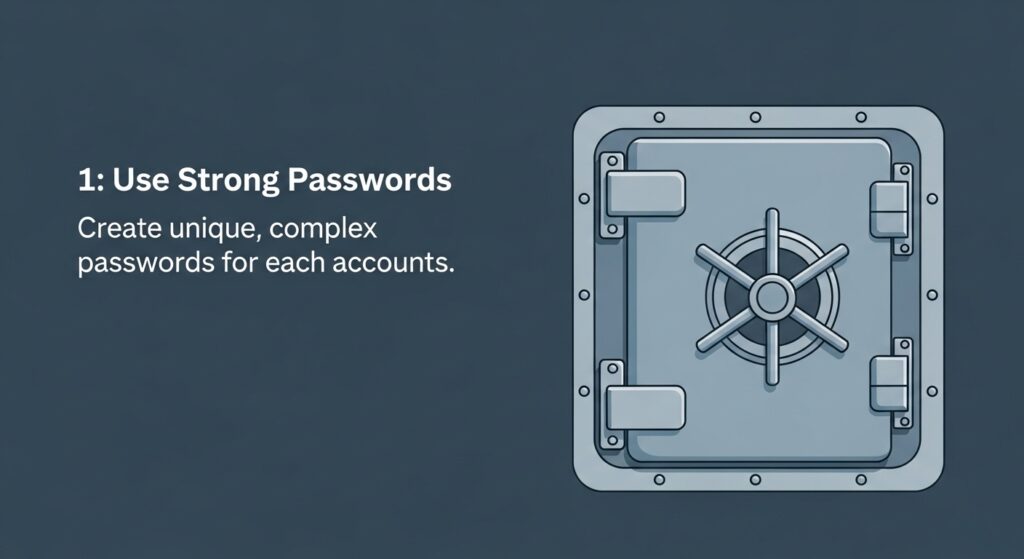
3. Master Your Passwords and 2FA
Never reuse passwords. Reusing passwords means that if a hacker breaches a minor shopping website, they can use that same password to access your primary email and bank.
- Use a secure vault to manage your logins. (Learn more: Password Managers Explained).
- Turn on Two-Factor Authentication (2FA) for every single account that offers it. A password alone is no longer enough. For a deep dive on why this is vital, review What is Two-Factor Authentication (2FA) and Why You Need It.
4. Audit Your Social Media Digital Footprint
Identity thieves use public social media data to guess security questions (like “your first pet’s name” or “the street you grew up on”). Review all your profiles. Hide your birth year, your mother’s maiden name, and high school details. If that information is public, a hacker has everything they need to impersonate you.
Immediate Damage Control: What to Do If Your Identity is Stolen
If the worst happens and you find out your digital double has been highjacked, do not panic. You must act in a specific, methodical order.
- Place a Fraud Alert on Your Credit: contact one of the credit bureaus and place a fraud alert. They are legally required to notify the other two. This tells creditors they must physically call you to verify your identity before opening a new account.
- Report the Theft to Government Authorities: In the US, file a report at IdentityTheft.gov. This is an official government database. The report acts as your legal proof that your identity was stolen, which you will need when contesting fraudulent debts.
- File a Police Report: Take your IdentityTheft.gov report to your local police department. While they may not find the hacker, the physical police report number is required by many banks to close fraudulent accounts.
- Contact Compromised Companies: If a credit card was taken out at Capital One, call their fraud department immediately. Send them copies of your police report. They are required to investigate and close the account.
Conclusion: Constant Vigilance is the New Normal
The threat of identity theft is not going away. As Artificial Intelligence becomes more integrated into our lives, cybercriminals will develop even more sophisticated ways to exploit our digital footprints.
Achieving complete identity theft protection in 2026 is not a “set it and forget it” task. It requires a fundamental shift in your relationship with technology. It means opting for security over convenience at every turn. Freeze your credit, secure your endpoints, use strong authentication, and remain fiercely protective of your personal data.
In a world where data is the most valuable currency, protecting your identity is the single most important investment you can make for your future financial stability and peace of mind. Stay alert, stay secure, and keep your digital footprint under lock and key.

Munir is a digital security researcher and software reviewer
with over 5 years of experience testing privacy tools, parental
control applications, and cybersecurity software. He founded
Tech Monitor Pro to provide honest, hands-on reviews that help
families and professionals make smarter decisions about the
tools they use online. When he is not testing the latest VPN
or email verification platform, he writes practical guides on
digital safety and online privacy.