
When a beginner first enters the world of digital marketing, multi-accounting, or crypto airdrop farming, the initial software costs can feel overwhelming. Proxies, automation tools, and ad budgets add up quickly. So, when a new marketer searches for a professional digital isolation tool, they are naturally tempted by software that markets itself as “100% Free” or look for “cracked” versions of premium tools on black-hat forums.
While saving $30 a month sounds like a smart business decision, using a free anti-detect browser is the equivalent of locking your house but leaving the front door key under the welcome mat. In the high-stakes game of digital arbitrage, cutting corners on security is financially devastating. Here are the hidden risks of using free anti-detect browsers and why professional media buyers avoid them at all costs.
Risk 1: Infostealer Malware
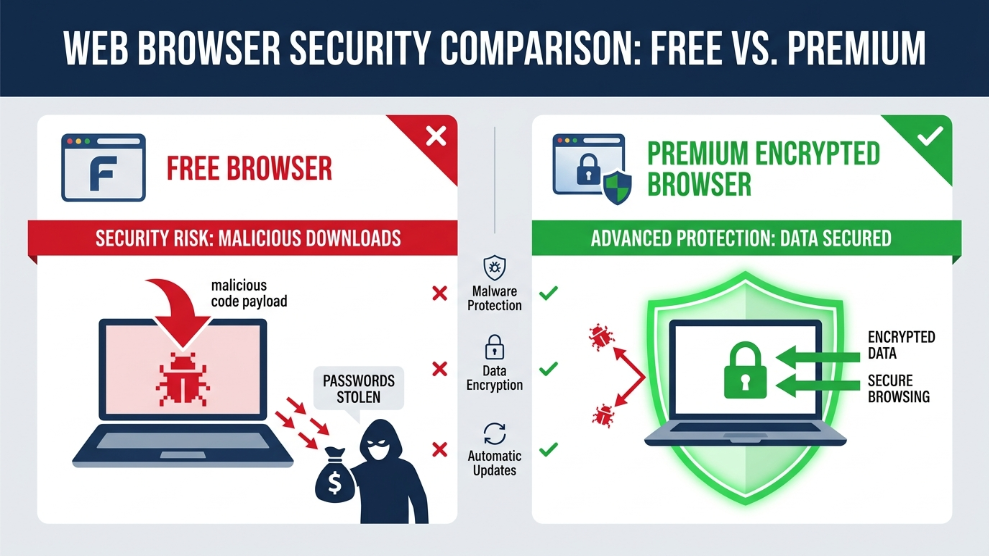
The most immediate and catastrophic risk of using a completely free, unverified browser is that you are downloading malware directly into the heart of your business operations.
Developers do not spend thousands of hours building complex software for free. According to threat intelligence experts at Malwarebytes, free or “cracked” software is the primary delivery vehicle for “Infostealers”—malicious codes designed to silently harvest your data.
When you log into your Facebook Business Manager, your Amazon Seller account, or your MetaMask wallet using a free browser, the infostealer quietly extracts your passwords, cookies, and crypto seed phrases. By trying to save a monthly subscription fee, you could lose thousands of dollars in ad spend or digital assets overnight.
Risk 2: Outdated Fingerprinting Technology
Social media platforms and search engines update their security algorithms constantly to catch bot farms and fraudsters. Premium software companies have dedicated engineering teams that update their browser cores weekly to ensure their users remain undetected.
Free software does not have the budget for this constant maintenance. When a major platform updates how it detects browser fingerprinting, a free browser will fail to adapt. It will generate a completely mathematically impossible hardware footprint, immediately alerting the platform that you are using spoofing software. This results in instant, permanent “Circumventing Systems” bans across all your accounts.
Risk 3: Data Leaks and Poor Proxy Handling
An anti-detect browser is only as secure as its proxy integration. If your browser suddenly disconnects from your residential proxy and defaults to your real home Wi-Fi, your true IP address is instantly exposed to the platform.
Premium tools have “kill-switches” that immediately freeze your internet traffic if the proxy drops. Free browsers almost never have these fail-safes. Furthermore, free browsers are notorious for WebRTC leaks, which silently bypass your proxy and hand over your true IP address directly to the website’s tracking scripts.
Safe Alternatives on a Budget
If you are on a strict budget, you do not need to risk your business with cracked software. The industry has evolved, and legitimate companies now offer highly affordable entry points.
- Free Trials & Tiers: Top-tier platforms like GoLogin offer fully functional free trials and a permanent, limited free tier. This allows you to test their enterprise-grade security safely before committing.
- Affordable Base Plans: If you only need a few profiles to manage a handful of e-commerce storefronts or TikTok accounts, tools like MoreLogin offer base plans starting at less than $10 a month. This provides military-grade machine learning fingerprinting for less than the cost of a Netflix subscription.
Final Thoughts
In digital marketing, your accounts are your most valuable assets. Attempting to protect those assets with free, unverified software is a massive operational liability. By investing in a legitimate, actively maintained anti-detect browser, you guarantee that your data remains uncompromised, your hardware fingerprint remains authentic, and your business can scale securely without the constant fear of algorithmic bans.

Munir is a digital security researcher and software reviewer
with over 5 years of experience testing privacy tools, parental
control applications, and cybersecurity software. He founded
Tech Monitor Pro to provide honest, hands-on reviews that help
families and professionals make smarter decisions about the
tools they use online. When he is not testing the latest VPN
or email verification platform, he writes practical guides on
digital safety and online privacy.