When you first launch a website or a digital project, you usually start with the most affordable option available: Shared Hosting. It is the digital equivalent of living in a dormitory; it is cheap and functional, but you are sharing resources like water, electricity, and space with dozens of other people.
However, as your project grows, or if you require specialized security for tools like mSpy or complex database management, you quickly realize that sharing resources is a recipe for disaster. A single traffic spike on a neighbor’s website can cause your own site to crash.
This is exactly why most professionals eventually ask: what is a vps and is it time to upgrade?
In 2026, a Virtual Private Server (VPS) has become the gold standard for developers, small businesses, and privacy-conscious users. It offers the perfect balance between the affordability of shared hosting and the raw power of a dedicated server.
In this comprehensive guide, we will break down exactly what a vps is, how the underlying technology works, and provide you with a clear roadmap to determine if your digital project needs the power of virtualization.
What is a VPS? (The Apartment Analogy)
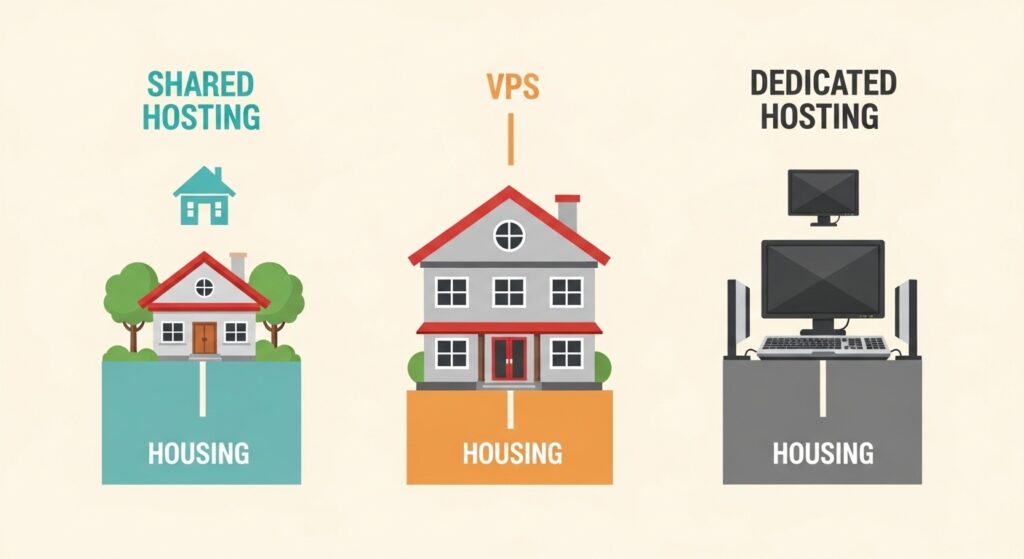
To understand what is a vps, think of a massive apartment building.
The entire building is the physical server—a powerful computer sitting in a data center. In shared hosting, you are living in a giant room with 50 other people; it is crowded and noisy. In dedicated hosting, you own the entire building; it is powerful but incredibly expensive.
A VPS (Virtual Private Server) is like owning your own private apartment within that building. You still share the overall structure (the physical hardware), but you have your own front door, your own kitchen, and your own walls. If your neighbor in apartment 4B has a loud party (a traffic spike), it does not affect the peace and quiet in your apartment. You have your own dedicated portion of the server’s RAM, CPU, and disk space that nobody else can touch.
How Does VPS Technology Work?
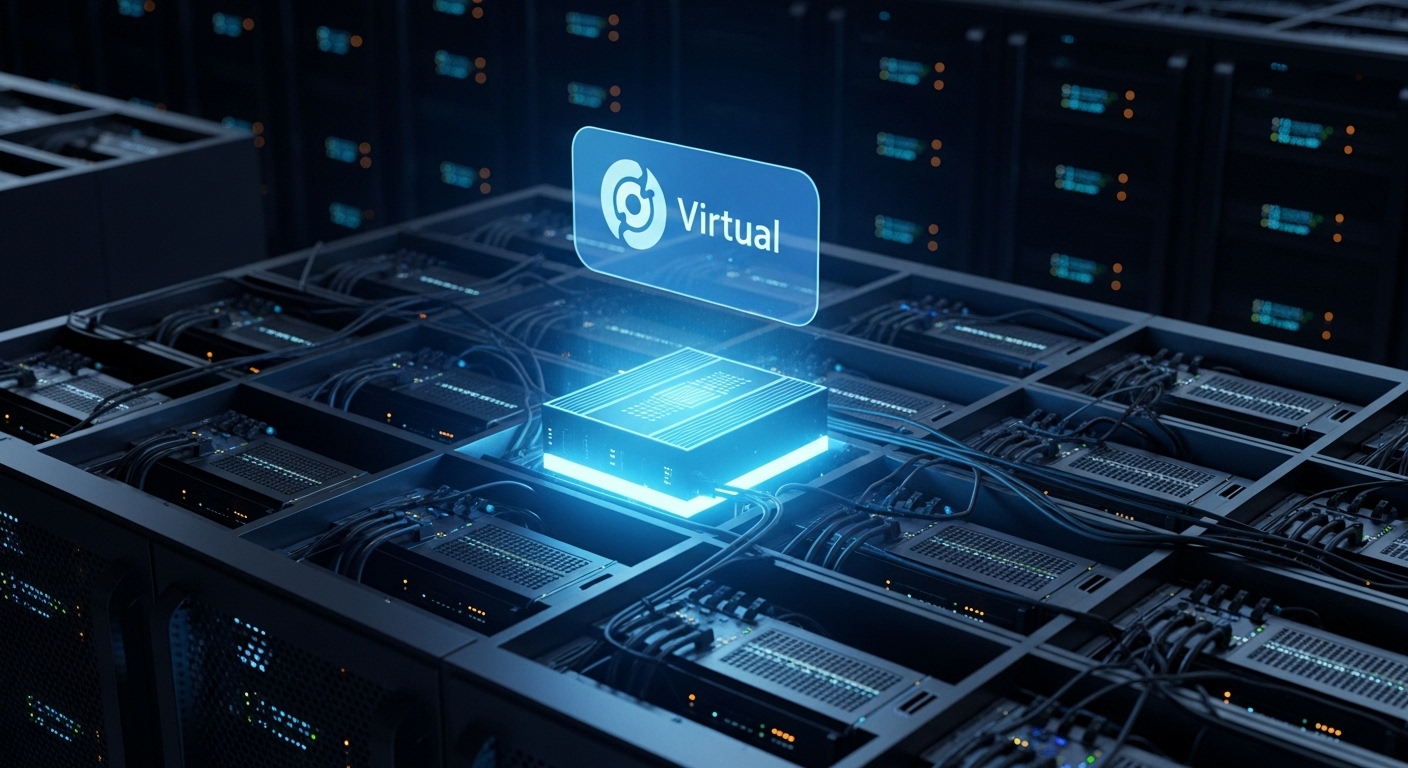
The “Virtual” in VPS is the most important part. Even though there is only one physical computer, a specialized software called a Hypervisor is installed on it.
The Hypervisor acts as a master architect. It takes the physical resources of the server and carves them into several isolated virtual machines. Each of these virtual machines runs its own independent Operating System (like Ubuntu, CentOS, or Windows Server).
Because each VPS is isolated, you have “Root Access.” This means you can install any software you want, change deep security settings, and reboot your server without affecting anyone else on the physical hardware. For instance, if you are running advanced security audits or monitoring tools, having this level of control is non-negotiable.
Top 3 Reasons You Need a VPS in 2026
If you are still on shared hosting, here are the signs that you need to upgrade to a Virtual Private Server.
1. Guaranteed Resource Isolation
In shared hosting, if another website on your server gets a massive influx of traffic, they can “steal” the RAM and CPU power, causing your site to lag. On a VPS, your resources are “fenced off.” If your plan says you have 4GB of RAM, that 4GB is yours 24/7, regardless of what other users are doing.
2. Enhanced Cybersecurity and Privacy
On a shared server, a security breach on one website can sometimes “leak” into others. Because a VPS is logically isolated, it is significantly more secure. You can install your own custom firewall and implement Two-Factor Authentication (2FA) at the server level.
Furthermore, if you are managing sensitive data or using parental monitoring tools like Parentaler for your family, running your management dashboard on a private VPS ensures that your data remains isolated from other web users.
3. Full Customization (Root Access)
Shared hosting limits you to the software the provider chooses. With a VPS, you are the boss. You can choose your OS, optimize your server for speed, and install custom scripts that shared hosts often block for security reasons.
Conclusion: Is a VPS Right for You?
Understanding what is a vps is the first step toward professionalizing your online presence. While it costs slightly more than basic hosting, the stability, security, and speed it provides are invaluable in 2026.
If your website is growing, if you are running a business, or if you simply value your digital privacy, upgrading to a Virtual Private Server is one of the smartest investments you can make. Take control of your resources and give your digital life the dedicated space it deserves.

Munir is a digital security researcher and software reviewer
with over 5 years of experience testing privacy tools, parental
control applications, and cybersecurity software. He founded
Tech Monitor Pro to provide honest, hands-on reviews that help
families and professionals make smarter decisions about the
tools they use online. When he is not testing the latest VPN
or email verification platform, he writes practical guides on
digital safety and online privacy.